



YELLOW-HEADED AMAZON PARROT
River otters are exceptional swimmers. They can close their nostrils and ears to keep water out, helping them dive as far as 60 feet and hold their breath as long as eight minutes.
OVERVIEW

CONSERVATION STATUS
Endangered

AVERAGE SIZE
Compared to a 6′ Man

AVERAGE WEIGHT
1 – 1.5 lbs

AVERAGE LIFESPAN
60 – 80 Years

DIET
Herbivore

REGIONS
Central & South America
LOCATION
Yellow-headed Amazon parrots are found in tropical forests, woodlands, mangroves, and savanna regions across Mexico and Central America. They prefer areas with a mix of open space and tall trees, which provide both feeding opportunities and safe nesting sites.
Rather than building traditional nests, these parrots rely on natural tree cavities, such as hollow trunks or large branches, often located high above the ground to protect against predators. Many pairs will return to the same nesting site year after year. During breeding season, pairs become more territorial around their nest, while outside of breeding they gather in small to large flocks that travel together in search of food.
At night, Yellow-headed Amazons often roost in groups, sometimes forming large communal gatherings in treetops. These roosting sites can be noisy and lively as the birds call out to one another before settling in for the night.
APPEARANCE
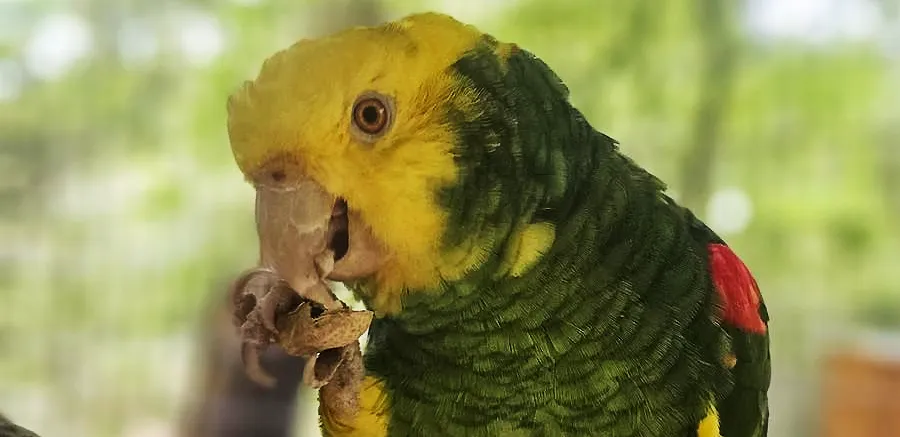
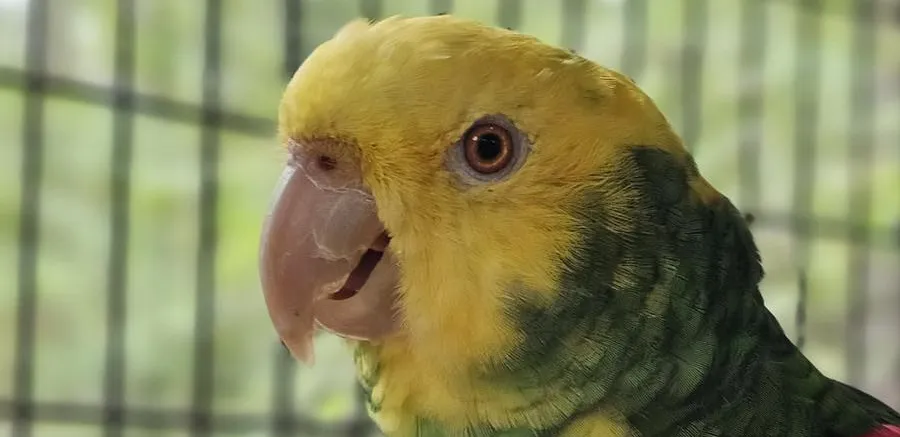
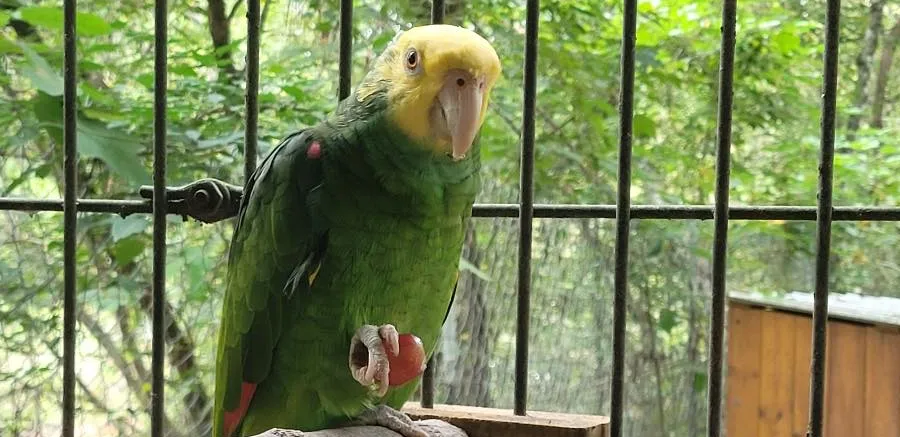
Yellow-headed Amazon parrots are medium-sized, stocky birds with bright green bodies and a striking yellow head and neck, which becomes more vivid as they mature. Some individuals may also show patches of yellow on their wings and red markings near the shoulders.
They typically measure 14 to 15 inches in length, including a short, square tail. When perched, they stand roughly 9 to 11 inches tall, with a compact, upright posture. Their strong legs and feet are adapted for gripping branches, with two toes facing forward and two backward—an arrangement known as zygodactyl feet—which also helps them climb and manipulate objects.
Their curved, powerful beak is designed for cracking tough nuts and seeds, but it also functions as a third “limb” when climbing. Their eyes are expressive and alert, often reflecting their curious and intelligent nature. Like many parrots, they use their beaks and feet together to explore and interact with their environment.
CHARACTERISTICS
Yellow-headed Amazon parrots are highly intelligent, social birds that thrive on interaction and communication. In the wild, they live in flocks and form strong pair bonds, often mating for life. These parrots are known for their loud vocalizations, which help maintain contact with flock members across long distances in dense forest environments.
They are active during the day, spending much of their time foraging for food, flying between feeding and roosting areas, and engaging in social behaviors such as preening and vocalizing. Their strong beaks and agile feet allow them to handle a variety of foods, from soft fruits to hard-shelled nuts.
During breeding season, pairs become more focused on nesting and raising their young. The female incubates the eggs while the male helps provide food. Once hatched, both parents contribute to feeding and protecting the chicks until they are ready to leave the nest.
These parrots are also known for their remarkable ability to mimic sounds, including human speech. This ability, combined with their intelligence and long lifespan, has made them popular in the pet trade—one of the major reasons their wild populations have declined.
FUN FACTS
Yellow-headed Amazon parrots are among the best talking parrots in the world, capable of mimicking words, phrases, and even sounds from their environment. They are extremely social and often form lifelong bonds with their mates, showing affection through preening and close contact.
Their strong beaks are not only used for eating—they also help the birds climb, balance, and explore, almost like an extra hand. When resting, these parrots may gather in large groups high in the trees, filling the air with calls and chatter as they settle in for the night.
Despite their playful and outgoing personalities, Yellow-headed Amazons face serious challenges in the wild. Habitat loss and illegal trapping for the pet trade have significantly reduced their populations, making conservation efforts critical for their survival.